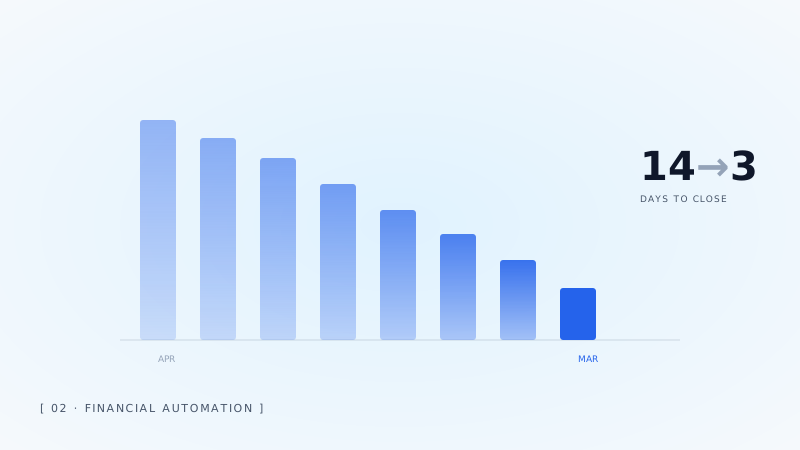
Walk into most finance or operations offices on a Monday morning and you will find the same ritual: export the data, paste it into the master spreadsheet, fix the formats, refresh the pivot tables, screenshot the summary, email it out. By the time the report lands, the numbers are already a weekend old.
The pipeline version
The automated version of that ritual is unglamorous engineering: a scheduled job pulls from the source system, transforms the data the same way every time, loads it into a reporting database, and a dashboard reads from that. No human in the loop. The report is simply always current.
Why it matters more than it looks
The obvious win is the recovered hours. The bigger win is that everyone argues from the same number. When each department compiles its own version of the truth, meetings are spent reconciling reports instead of making decisions. One pipeline, one number, one conversation.
The honest caveat
Automation faithfully reproduces whatever process you feed it — including a broken one. Fix the definitions first (what counts as an active client? which date field is real?), then automate. A dashboard that updates a wrong number every hour is worse than a slow right one.